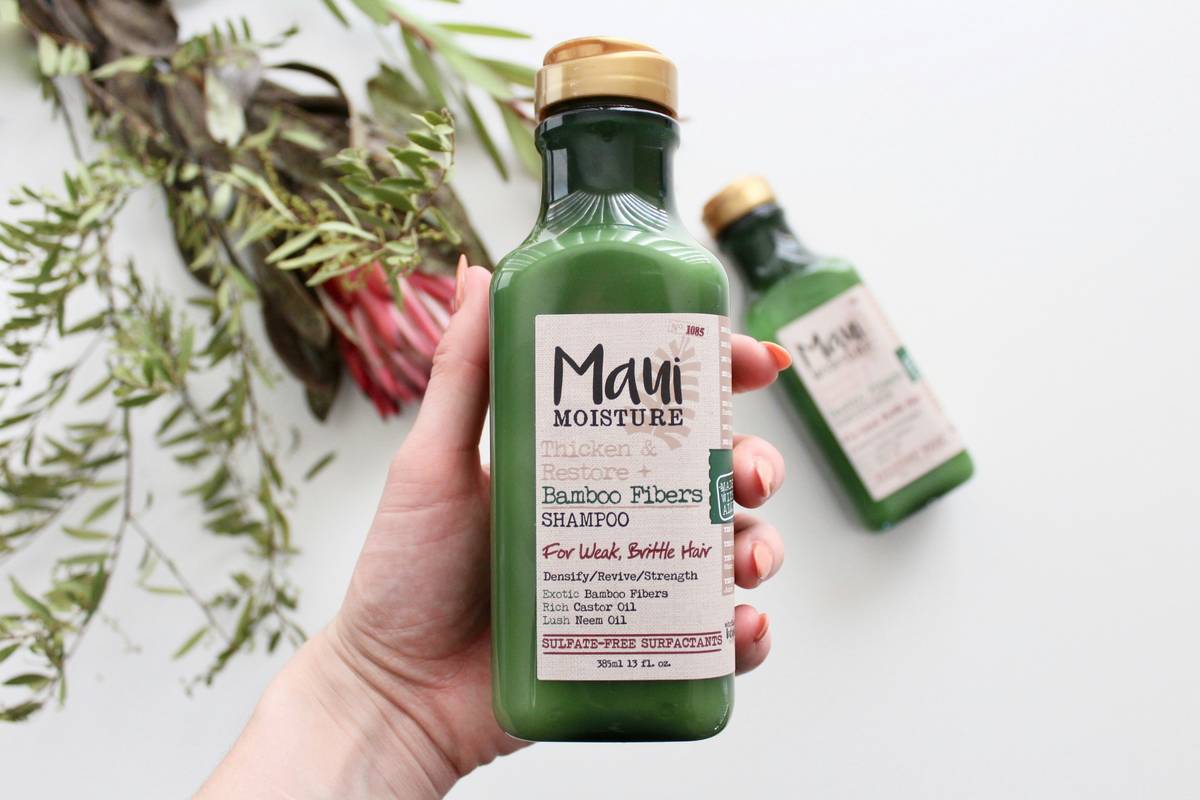
Most people slather on hair conditioner like it’s a magic potion. It isn’t. You rinse, towel-dry, and still end up with frizz, split ends, or limp strands that feel coated in wax. The problem? You’re using it wrong—or worse, you’ve been sold a product that does more harm than good.
The Myth of “Moisturizing” Hair Conditioner
Hair doesn’t drink water like skin. It absorbs moisture indirectly, through the cuticle layer. Most drugstore conditioners are packed with silicones—dimethicone, cyclomethicone—that create a temporary shine by sealing the surface. But they build up over time. And buildup suffocates your strands. It prevents real hydration from penetrating deep into the cortex.
Your hair feels soft for 12 hours—then turns straw-like. That’s not conditioning. That’s camouflage.
How to Use Hair Conditioner Like a Pro (Not a Passenger)
Forget slathering it from root to tip every shower. That’s rookie behavior. Here’s what works:
Apply Only Where Damage Lives
Unless you have extremely dry scalp conditions (rare), never apply conditioner near your roots. Focus strictly on mid-lengths to ends—the zones exposed to brushing, heat styling, sun, and mechanical stress.
Timing Matters More Than Quantity
Leave it on for at least 3 minutes. Hot water opens the cuticle; use lukewarm or cool water during rinsing to seal it back down. And if you’re using a deep conditioner? Heat amplifies penetration. Wrap your head in a warm towel for 10–15 minutes.
Match Formula to Function
Thick, coarse hair needs cationic surfactants like behentrimonium methosulfate. Fine hair drowns under heavy butters—opt for lightweight, protein-based conditioners instead.
| Conditioner Type | Best For | Avoid If… | Cost Range (per oz) |
|---|---|---|---|
| Rinse-out (daily) | Fine to medium hair, frequent washers | You have severe breakage or high porosity | $0.10 – $0.40 |
| Deep treatment | Curly, coily, color-treated, or damaged hair | You wash hair daily (overuse causes hygral fatigue) | $0.30 – $1.20 |
| Leave-in | Detangling, heat protection, low-porosity types | You layer multiple heavy products (causes buildup) | $0.25 – $0.90 |


The Industry Secret No Brand Wants You to Know
Here’s the reality: most “hydrating” conditioners rely on humectants like glycerin—but in dry climates, glycerin pulls moisture *out* of your hair and into the air. Yes, it literally dehydrates you while claiming to hydrate. Brands know this. They just don’t advertise it.
And formulation timing? Critical. A conditioner with hydrolyzed wheat protein applied right after clarifying shampoo? Game-changer. Same formula used over silicone-coated hair? Useless. Your regimen sequence is 70% of the result—not the bottle label.
FAQ
Can I skip conditioner if I have oily hair?
Yes—but only if you focus cleansing on roots and avoid stripping mid-lengths. Oily scalps often pair with dry ends. Try a targeted leave-in on ends only.
Does hair conditioner cause hair loss?
No. Conditioner doesn’t penetrate the follicle. But heavy buildup can weigh hair down, making shedding more noticeable. Clarify weekly if you notice excess residue.
Should I use conditioner before or after shampoo?
Standard order is shampoo first. But reverse washing (“co-washing” or conditioner-first) works for very dry or curly types—it gently lifts debris without harsh lather.