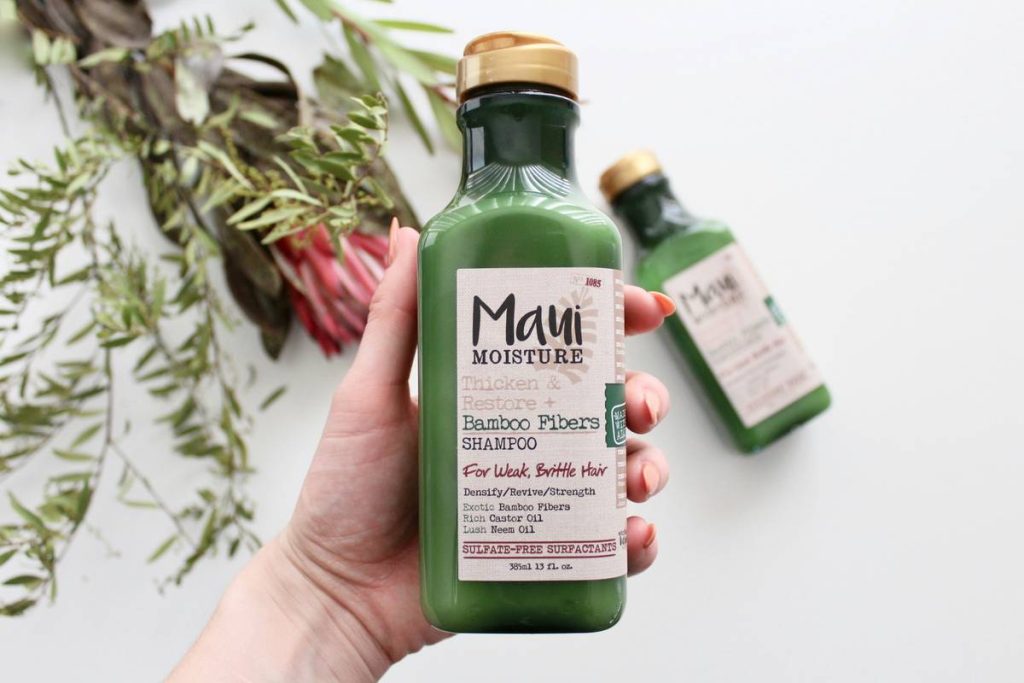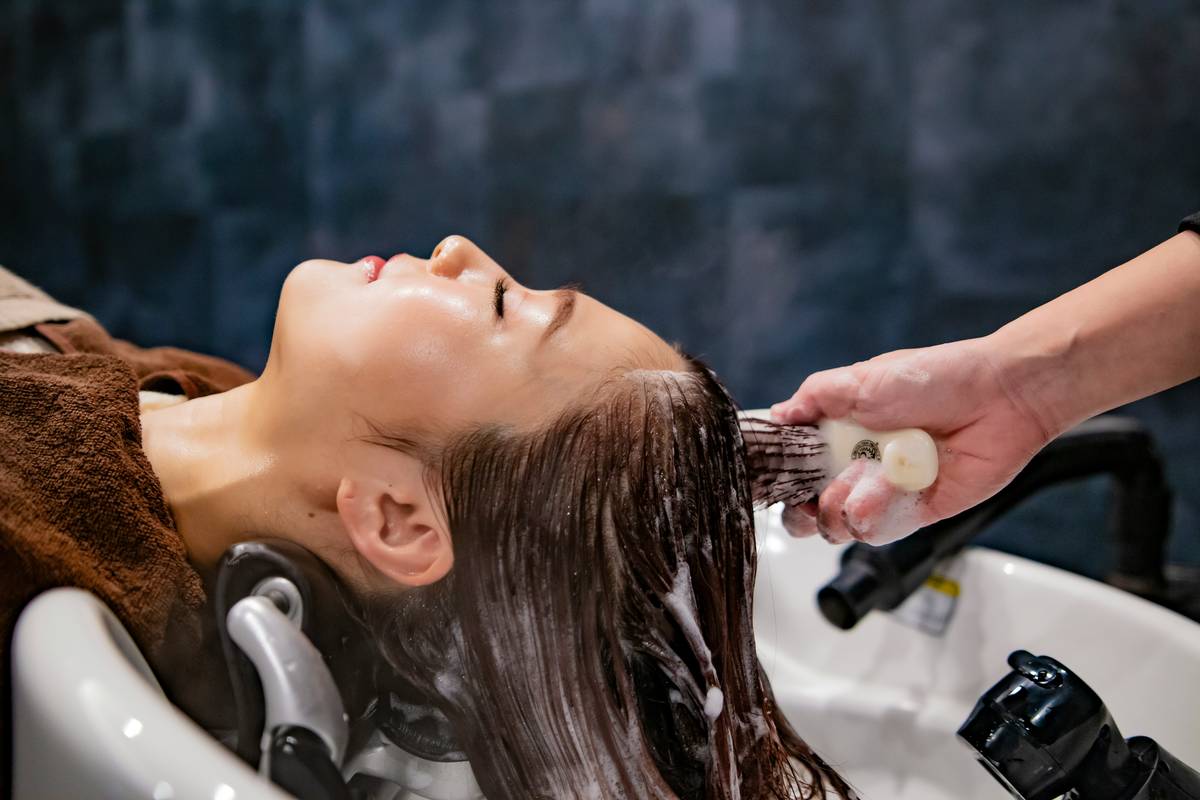
Your strands feel brittle. Split ends multiply like rabbits. You slather on every hair treatment promising miracles—and see nothing but disappointment. Sound familiar? The real issue isn’t your hair—it’s the myth that all conditioners are created equal.
Most Hair Treatments Fail Because They’re Fighting the Wrong Enemy
Brands sell moisture like it’s a cure-all. But if your hair’s damaged from heat, chemical processing, or hard water minerals, no amount of coconut oil sludge will rebuild the cuticle. And—here’s the kicker—many “treatments” are just diluted shampoos with fancy labels.
Think about it: you wouldn’t patch a crumbling wall with wallpaper paste. Yet that’s exactly what most drugstore conditioners do.
Your Step-by-Step Protocol for Real Hair Recovery
Assess Your Damage Type First
Is it dryness? Protein loss? Buildup? Misdiagnosis guarantees wasted product. Porous, frizzy hair needs protein. Over-moisturized, limp strands need light oils—not heavy butters.
Clean Before You Condition
No conditioner penetrates through silicones, sebum, or hard water residue. Clarify weekly. Skip this, and your expensive mask sits on top like rain on a waxed car.
Choose Based on Molecular Weight—Not Hype
Low-molecular-weight ingredients (like hydrolyzed wheat protein) slip into the cortex. High-weight ones (argan oil, shea butter) only coat the surface. Match the molecule to your need.
| Treatment Type | Best For | Key Active | Avg. Cost per Use |
|---|---|---|---|
| Protein Reconstructor | Chemically processed, elastic hair | Hydrolyzed keratin | $2.50 |
| Humectant Mask | Dry, non-porous hair in humid climates | Glycerin + honey | $1.80 |
| Occlusive Balm | Coarse, high-porosity textures | Babassu oil + ceramides | $3.20 |
| Silicone-Free Rinse | Fine hair prone to buildup | Panthenol + aloe | $1.10 |
The Industry Secret: Conditioner Is Not a Standalone Fix
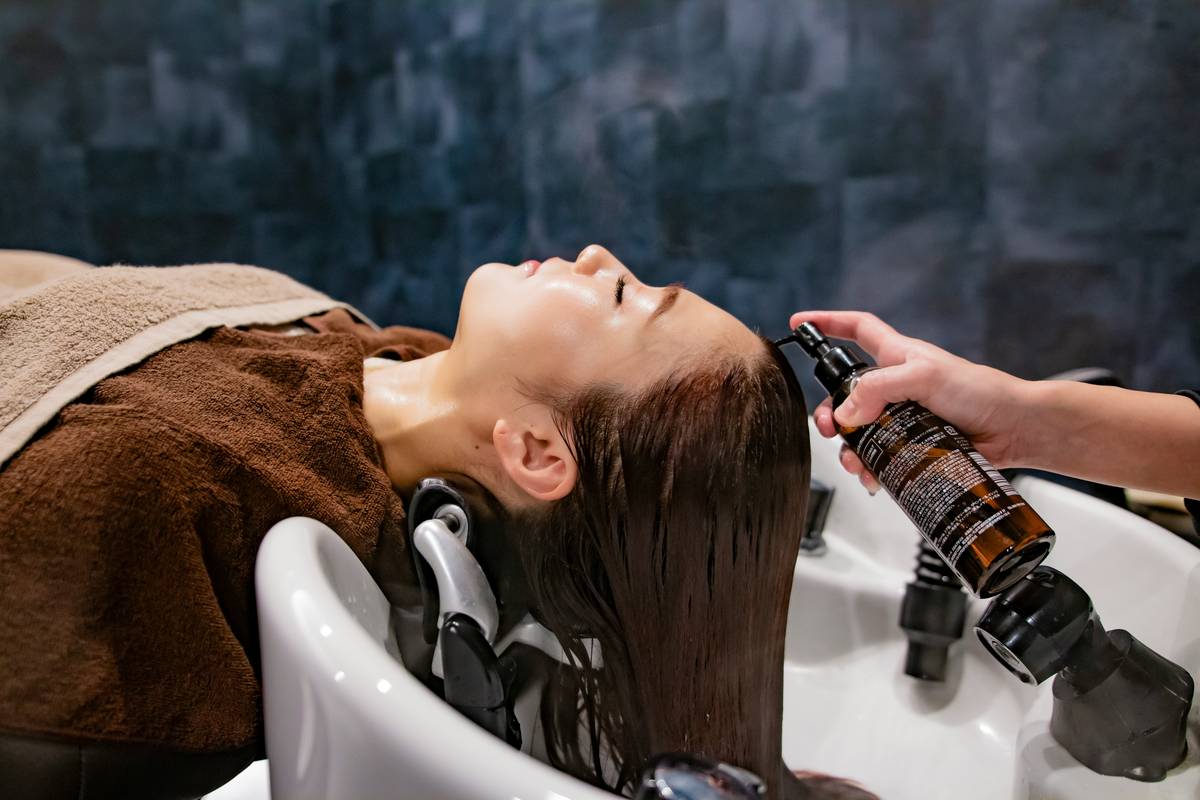
Here’s what formulators won’t tell you: conditioners work best when paired with pH-balanced cleansing. Most shampoos blast hair at pH 6–7. Healthy scalp and hair thrive at pH 4.5–5.5. That gap prevents cationic conditioning agents from binding properly.
But—there’s more. Cold rinsing after conditioning? It’s not just old wives’ tales. A 30-second cold finish seals the cuticle, locking in actives before they evaporate. Skipping it wastes up to 40% of your product’s efficacy.
FAQ
Can I use a hair treatment daily?
No. Daily use leads to buildup and hygral fatigue—swelling/shrinking from over-moisturizing weakens strands. Limit intensive treatments to once or twice weekly.
Are natural hair treatments better?
Not necessarily. “Natural” doesn’t mean effective. Lab-engineered peptides often outperform plant oils for structural repair. Judge by ingredient function—not origin.
How fast should I see results from a hair treatment?
Surface smoothing? Immediate. True repair? 3–6 wash cycles. Hair can’t regenerate live cells—so improvement means cumulative protection, not healing.