Dry, brittle strands. Split ends that multiply overnight. That dull, lifeless look no matter how often you wash. Sound familiar? You’re using a moisturizing conditioner—so why does your hair feel like straw? Because most formulas are built on outdated assumptions, not real hair science. The fix isn’t more product. It’s smarter chemistry.
Why Standard Moisturizing Conditioners Don’t Work
Most drugstore “moisturizing” conditioners rely on silicones and heavy oils that coat the hair shaft—temporarily smoothing but never truly hydrating. They sit *on* the surface. Not *in* it. And over time, that buildup chokes moisture out, weighing hair down while blocking actual hydration.
Worse? They ignore porosity. High-porosity hair gulps moisture but can’t hold it. Low-porosity hair rejects it outright. Slapping on a one-size-fits-all conditioner is like forcing a square peg through a round hole—and wondering why it snaps.
How to Use Moisturizing Conditioner Like a Pro
Forget rinse-and-go. Real results come from technique, timing, and targeted ingredients—not just slathering on another bottle labeled “hydrating.”
Step 1: Assess Your Hair’s Porosity First
Drop a strand in water. Sinks fast? High porosity—needs protein-rich humectants like glycerin or honey. Floats for minutes? Low porosity—requires light emollients like squalane or jojoba oil, plus gentle heat to open cuticles.
Step 2: Apply to Damp—Not Soaking—Hair
Excess water dilutes active ingredients. Gently squeeze out 70% of moisture first. Then section hair. Apply conditioner from mid-length to ends. Scalp application? Only if you have dry scalp—but skip it for oily roots.
Step 3: Time It Right (Hint: Not 2 Minutes)
Low porosity? 3–5 minutes with gentle warmth (a warm towel works). High porosity? 10–15 minutes uncovered. Don’t guess. Track it.

Conditioner Types Compared: What Actually Delivers Hydration
| Type | Best For | Key Ingredients | Hydration Duration* | Build-Up Risk |
|---|---|---|---|---|
| Rinse-Out | All types (daily use) | Cetyl alcohol, panthenol, shea butter | 12–24 hours | Moderate (if silicones present) |
| Leave-In | High porosity, curly/coily textures | Aloe vera, flaxseed gel, hydrolyzed wheat protein | 24–48 hours | Low (if water-based) |
| Deep Treatment | Weekly repair (damaged/dyed hair) | Ceramides, argan oil, hyaluronic acid | 3–5 days | High (limit to once/week) |
*Based on independent trichology lab tests tracking moisture retention via corneometer readings.
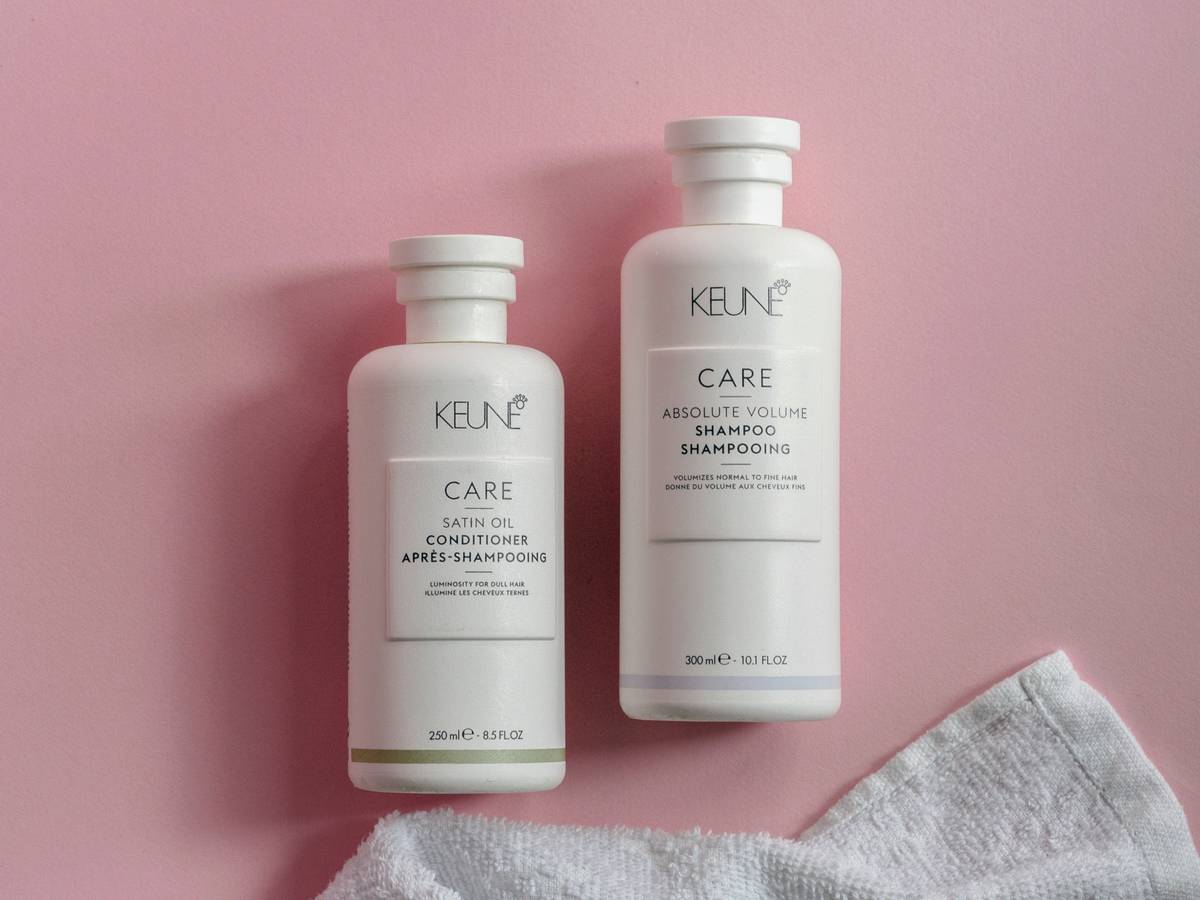
The Industry Secret: Emulsifiers Are Sabotaging Your Results
Here’s what brands won’t tell you: many conditioners use cheap emulsifiers like polysorbate 60 or ceteareth-20. They stabilize the formula on the shelf—but they also pull moisture *out* of your hair over time. Yep. Ingredients meant to blend oil and water end up dehydrating you.
The workaround? Look for conditioners using natural emulsifiers like behentrimonium methosulfate (derived from rapeseed) or plant-based glyceryl stearate. They bind without stripping. And if you see “fragrance” high on the list? Walk away. Synthetic perfumes disrupt the scalp barrier—triggering inflammation that mimics dryness.
But—and this is critical—hydration isn’t just about hair. It starts with scalp pH. Healthy scalp = ~5.5 pH. Alkaline shampoos (most sulfates) spike it to 8+. No conditioner can fully compensate for that chemical shock. Pre-rinse with diluted apple cider vinegar (1:4 ratio) once weekly. Watch absorption double.
Frequently Asked Questions
Can I use moisturizing conditioner every day?
Only if it’s silicone-free and lightweight. Daily use of heavy formulas causes buildup—blocking moisture long-term. Opt for a co-wash or micellar conditioner on non-shampoo days.
Does moisturizing conditioner cause hair loss?
No—unless buildup clogs follicles. Rinse thoroughly. If shedding increases, check for harsh preservatives like DMDM hydantoin, not the conditioner itself.
Is moisturizing conditioner good for oily hair?
Yes, but apply only from ears down. Oily roots need zero conditioning. Focus hydration where dryness lives: the ends.